
Technical SEO Audit Services: What to Expect and What Drives the Cost
The deliverables to ask for, the questions to ask a provider and the factors that decide what a technical SEO audit costs.
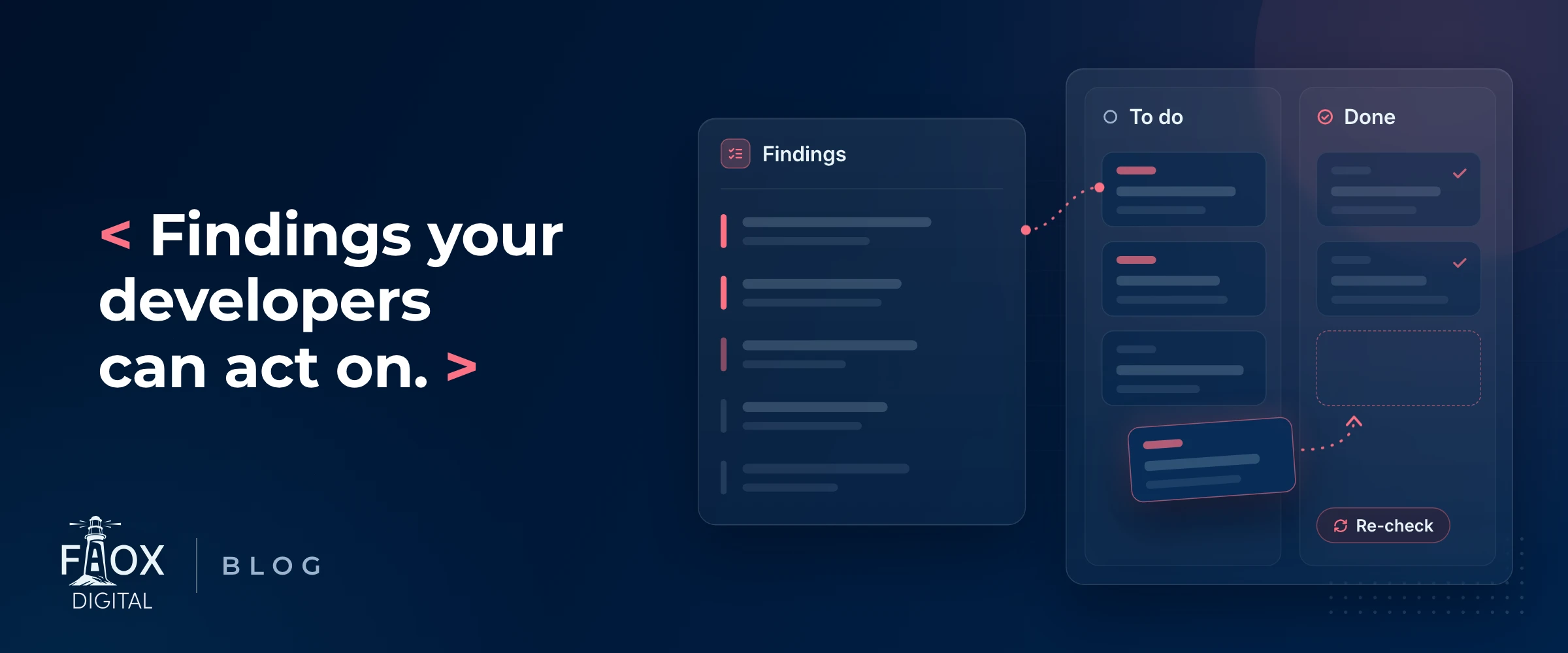
Technical SEO audit services should give you a written audit scope, a prioritized list of findings with evidence, an implementation guide your developers can act on, a re-check once fixes are live and, if you need it, support during implementation. The cost depends mainly on the number of pages and page templates, the number of languages and markets, the platform the site runs on, how deep the analysis goes and how much hands-on help you want.
Proposals for a technical SEO audit can look alike on the surface and differ widely underneath. One provider sends an automated report; another proposes weeks of analysis and workshops with your developers. Until you know what each one includes, the prices cannot be compared.
This guide sets out what technical SEO audit services should deliver, how an expert audit differs from a tool report, what drives cost and timeline, and how to choose a provider. If you need the background first, start with our technical SEO basics. We offer technical audits as part of our B2B SEO services, so we have a stake in the answer; the checklist below applies to any provider, including us.
What technical SEO audit services should deliver
A technical SEO audit examines whether search engines can crawl, render and index a site, and what stops them. Google’s advice on hiring an SEO says an audit should give you realistic estimates of the improvement and of the work involved. In practice, that means seven deliverables:
- A written audit scope: the domains, subdomains, languages and page types covered, the checks included and what is left out.
- An executive summary: the main problems and their business impact, short enough for the people who approve budgets.
- A prioritized list of findings: each issue with evidence, the affected URLs or templates, its likely impact and the effort to fix it.
- An implementation guide: for each finding, what to change, where (template, CMS setting or server rule) and how to confirm the fix.
- A developer handover: the findings in your team’s ticket system or a walkthrough session, with time for questions.
- A re-check: a second crawl and a Search Console review once fixes are live.
- The raw data: crawl exports and URL lists, so your team can keep checking after the audit.
The prioritized list of findings is the core of the audit. It should rank issues by their effect on the pages that bring in enquiries, not by how many URLs a tool flags. A rule that keeps a product line out of Google’s index matters more than missing image descriptions across the whole site, even though the second produces a longer list. Ask how the provider weighs impact against effort, and whether you can adjust the priorities together.
The implementation guide decides whether anything changes. A finding such as "fix duplicate content" is not actionable; "set the canonical tag in the product template to the URL without filter parameters" is. When the provider knows your platform, the guide can name the setting or file to change.
Automated tool report vs expert audit
Crawler tools and SEO platforms are useful, and every expert audit uses them. The difference is what happens after the crawl.
| Criterion | Automated tool report | Expert audit |
|---|---|---|
| What it is | The output of a crawler or SEO platform | A specialist’s analysis of tool data, Search Console and often server logs |
| What it finds | Status codes, missing tags, duplicate titles, broken links | The same issues, plus their causes and conflicts between signals |
| Priorities | Severity labels that are the same for every site | Ranked by impact on your key pages and effort for your team |
| Context | Does not know which pages bring in business | Takes your products, markets, languages and plans into account |
| Output | A long list of warnings | Prioritized findings and an implementation guide |
| Best for | Regular monitoring, small sites, a first look | Complex sites, migrations, multilingual setups, persistent indexing problems |
A tool report is a reasonable start on a small budget. At the time of writing (October 2026), Google Search Console is free, and the free version of Screaming Frog’s SEO Spider crawls up to 500 URLs. What a tool cannot do is decide which warnings matter to your business, find the template or setting behind them, or confirm that a fix worked. If a proposal’s main deliverable is a tool export with a logo on it, you are paying for something you could run yourself.
Working with developers: handover, re-check and support
Most technical fixes are made by developers, so plan the audit with them from the start.
- Before the audit: the provider needs access to Search Console, analytics, a staging site if you have one and, for log analysis, a period of server access logs. Agree early who provides each one, because waiting for access delays the start.
- At handover: findings work best in the format your developers already use, such as tickets with acceptance criteria, followed by a walkthrough where they can question priorities and propose simpler fixes.
- Re-check: after fixes go live, the provider should crawl again and review Search Console. For issues in the Page indexing report, Search Console’s validation typically takes up to about two weeks and sometimes much longer, so schedule the re-check after that window.
- Implementation support: some questions only come up during development. Support can range from answering developer questions to reviewing changes on staging before each release. Agree how much is included and how extra time is billed.
What drives the cost of a technical SEO audit
There is no standard price for technical SEO audit services, because no two sites need the same amount of work. These are the cost drivers to discuss before you compare proposals:
| Cost driver | Why it changes the work |
|---|---|
| Number of pages and templates | More URLs take longer to crawl, but the number of distinct page types (product, category, industry, article) shapes the analysis more than the raw count |
| Number of languages and markets | Each language version needs its own checks, plus hreflang and a consistent URL structure across versions |
| Platform and infrastructure | Custom builds, JavaScript frameworks and product catalogs with filters need rendering and parameter analysis that a standard CMS setup may not |
| Depth of analysis | Log file analysis, rendering tests and speed data add time and need extra access |
| Deliverable format | A ticket-ready implementation guide takes longer to write than a list of issues |
| Support and re-checks | Developer workshops, staging reviews and extra re-checks are often priced separately |
| Deadlines | An audit that has to finish before a fixed migration date may need more people at once |
Two habits make quotes comparable. Ask every provider to state the audit scope in pages, languages and checks, so you compare the same work. And keep the audit separate from implementation: the audit tells you what to fix, while the fixing is done by your developers or bought as a separate service. This is also why we give a plan and a price after a first look at the site, not a number on day one. For ongoing SEO work after the audit, our guide to SEO cost explains what drives the monthly price.
How long a technical SEO audit takes
The timeline follows the same drivers as the cost. A typical engagement runs in six phases:
- Scoping and access. Agree the audit scope and set up access to Search Console, analytics, logs and staging.
- Crawling and data collection. Crawl the site and gather enough server logs to show how crawlers behave over time.
- Analysis and prioritization. Trace issues to their causes and rank them by impact and effort.
- Report and walkthrough. Present the findings to decision makers and developers.
- Implementation. Your developers make the fixes, with support from the provider if agreed.
- Re-check. Crawl again and confirm in Search Console that the fixes worked.
Implementation is often the longest phase, because fixes compete with other development work. Ask for a written timeline for each phase that shows which steps depend on your team. If you plan a redesign or a new site, involve an SEO early: Google names both as good moments to hire one, because the audit can then shape the build instead of correcting it afterwards.
How to choose the right technical SEO agency
Google’s guidance on hiring an SEO suggests asking for examples of previous work, whether the provider follows Google Search Essentials, what results they expect and in what timeframe, and what experience they have in your industry. For a technical audit, add these questions:
- Can you show an anonymized sample audit, with its prioritized findings and implementation guide?
- Who does the analysis, and who will our developers talk to?
- What exactly is in the scope, and what is not?
- How do you set priorities, and will you adjust them with us?
- Is a re-check included, and when does it happen?
- What implementation support is included, and how is extra time billed?
Watch for warning signs: promises of first place in search results, which Google tells site owners to treat as a reason to look elsewhere; a site health score presented as the goal; or a sample audit that is a tool export with no explanation. If your site serves several countries or languages, look for international experience too; our guide to choosing an international SEO consultant covers the extra questions. If the audit is part of a wider proposal, compare it with our checklist of what SEO services include.
Where to start on a small budget
A full audit is not the right first step for every company. If you are early, working to a tight budget or testing one market, start with an honest review of where the site stands: the Page indexing report in Search Console, a crawl of your key pages and a look at robots.txt and the sitemap. Then choose a sensible first step sized to your stage and goals, such as a focused review of your main page templates instead of every URL. A good provider will tell you when a smaller scope is enough.
What a technical SEO audit from Faox Digital covers
A technical SEO audit from Faox Digital is the audit and baseline step of our SEO work: it checks what the site ranks for, who it competes with, what buyers search and whether search engines and AI tools can read it. The findings become a plan with priorities and reasons, which you see before any work begins. The fixes to architecture, speed, structured data and crawler access follow in the next step. For an early-stage company or a smaller budget, we start with an honest audit sized to its stage.
Key takeaways
- Expect a written audit scope, a prioritized list of findings, an implementation guide, a developer handover and a re-check.
- A tool report lists warnings; an expert audit explains their causes, ranks them by business impact and checks the fixes.
- Cost and timeline depend on pages and templates, languages, platform, depth of analysis and the support you need.
- Compare proposals on the same written scope, and keep the audit separate from implementation.
- Be wary of any provider that promises rankings.
Frequently asked questions
What is a technical SEO audit?
A technical SEO audit is a structured review of whether search engines can crawl, render and index your website, and of what stops them. It covers areas such as robots.txt, sitemaps, status codes, redirects, canonical tags, site structure, structured data and JavaScript rendering, and ends with a prioritized list of fixes.
How much does a technical SEO audit cost?
It depends on the number of pages and templates, the number of languages, the platform, the depth of analysis and the support included. Because scopes differ so much, a price only means something next to a written scope, so ask several providers to quote the same scope and compare like with like.
How long does a technical SEO audit take?
The audit itself scales with the same factors as the cost, and log analysis needs logs that cover a period of crawling. Implementation and the re-check follow; validating a fixed issue in Search Console typically takes up to about two weeks, sometimes longer.
Can I run a technical SEO audit myself?
You can cover the basics with free tools: Search Console’s Page indexing report and URL Inspection, plus a free crawler for a small site. An expert audit adds most when the site is large, multilingual or built on a JavaScript framework, or when a migration is planned.
Sources
- Google Search Central: Do you need an SEO?, 2026
- Search Console Help: About Search Console, accessed October 2026
- Search Console Help: Page indexing report, accessed October 2026
- Screaming Frog: SEO Spider, 2026
Let’s talk
Where do you want to be found?
Tell us the searches that matter to your business. We will review your site and tell you plainly what to fix first, including what you can do yourself.